Towards a Deep Aesthetics of Nature
Deep ecology asked us to think on behalf of the biosphere. A deep aesthetics of nature would ask us to go outside.
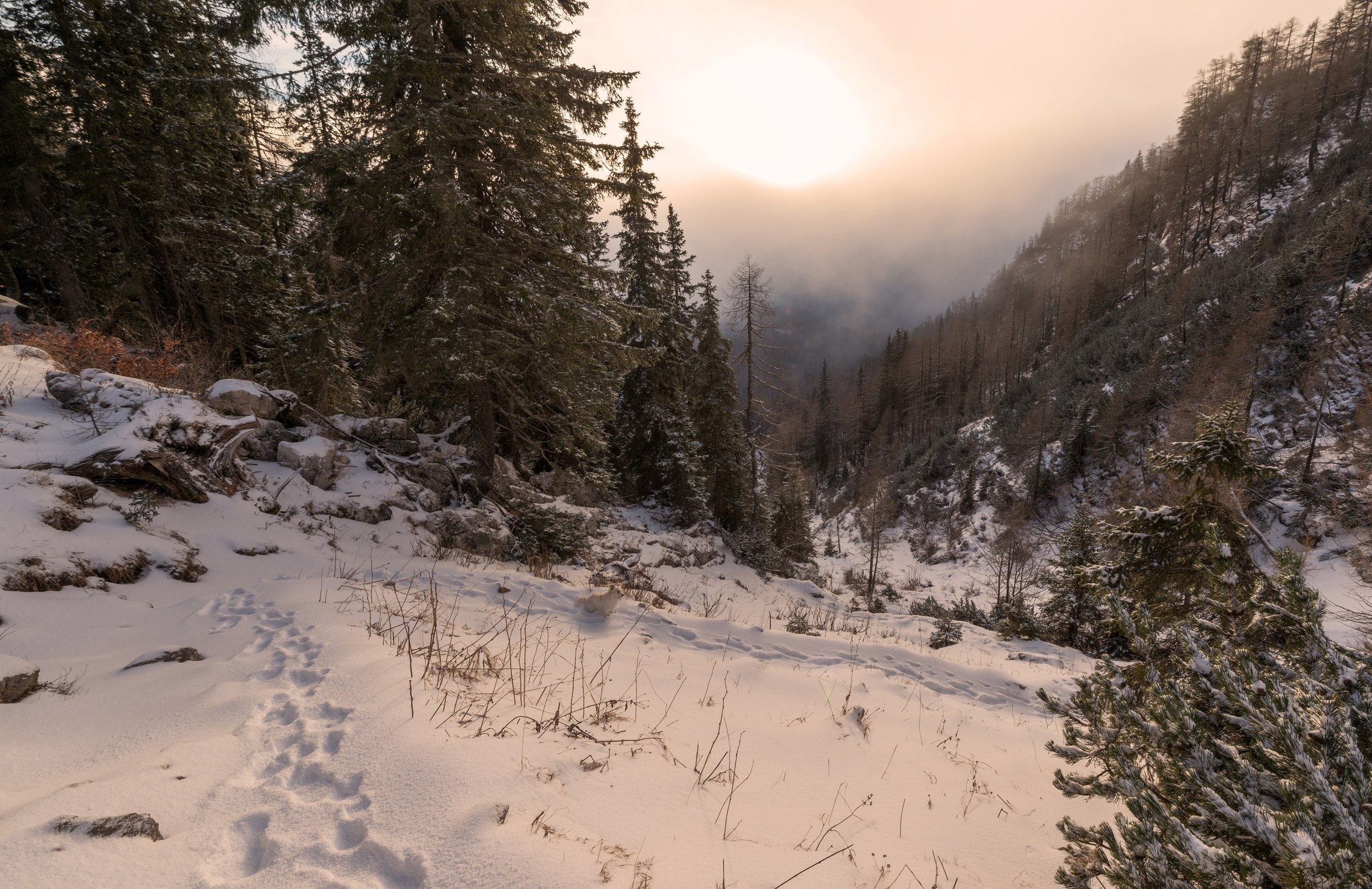
Environmental ethics once drew a line between shallow and deep ecology. Shallow ecology wants cleaner air and water, evenly spread pollution and legal limits. Deep ecology, in the debate opened by Arne Naess, looks at pollution solely from the standpoint of the biosphere. We are to think on its behalf, with regard not only to what it means for us but to life in general.1
At the end of my dissertation I propose a similar line for aesthetics.2 A shallow aesthetics of nature permits us to appreciate nature through images, photographs, videos and other media, which is how most of us enjoy it today. A deep aesthetics of nature would require direct experience of environments, animals, plants and places. It would ask us to go out into nature with our bodies.
The point is not to despise images. It is to admit that the shallow kind is not really an aesthetics of nature at all, but one modelled on art, because its material is pictures. If the deep ecologist was guided by a resistance to modernity, the deep aesthetician must be guided by a resistance to Romanticism, which still marks the way we think about natural beauty.3
No wilderness to return to
This is not a call to go back to untouched nature. In the Anthropocene there is hardly any wilderness left; places called that are environments marked by people. Renaturated reserves such as Škocjanski zatok are depictions of nature, and parks and gardens are depicted nature too. Deep ecology was wrong to believe in a self-owned, self-regulating biosphere, and in space only a shallow aesthetics of images is possible anyway.4
Perhaps the most important insight of a deep aesthetics is that our idea of a true nature is dead. Only when we stop looking through Romantic spectacles can fruitful approaches begin. A deep aesthetics cannot start with the image and end in nature, although we will probably never escape depictions altogether. Many of these thoughts took shape on walks with my dog, which may be the simplest form of the method: go out, and look.
Read the full section in the dissertation